
Tables
Laminate Table with Reversible Top in Black and Mahogany
- Laminate top
- Indoor use
From $86.00Pick options
CompareFor small, bright rooms
What does a quantity of one include? For the 4 listings sold as sets, it means the whole set, not a single table.
Tables

Tables

Tables

Tables

Tables

Tables


Table tops

Tables

Tables

Tables

Tables

Tables

Table tops


Tables

Tables

Tables

Tables

Table bases

Tables

Tables

Table bases

Tables
Tables

Outdoor

Outdoor

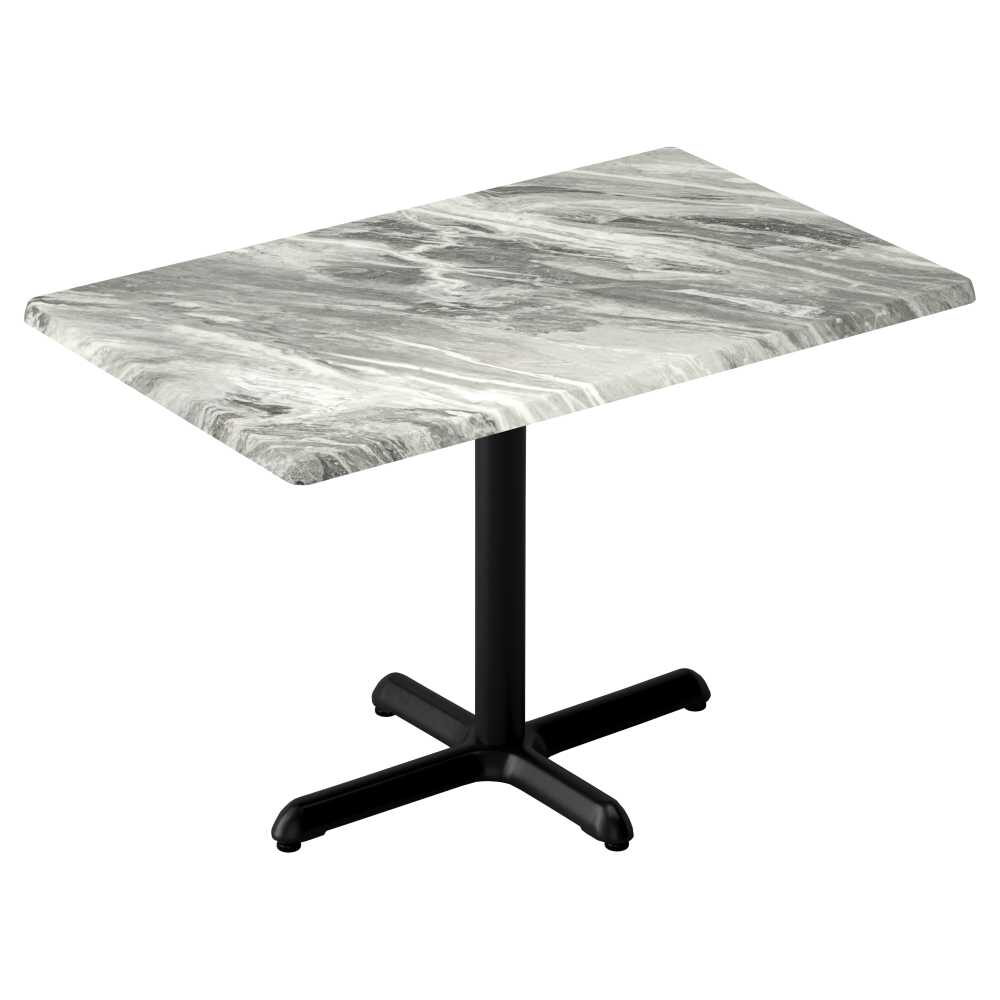
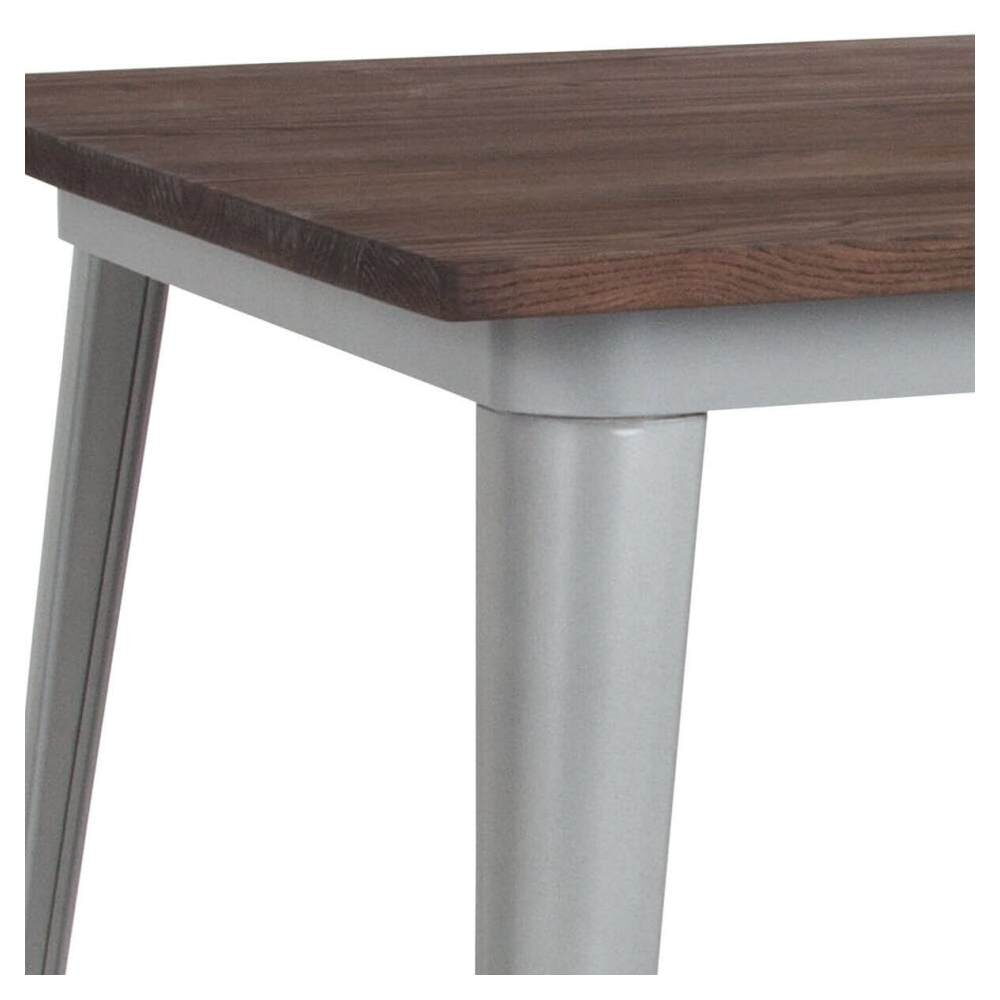
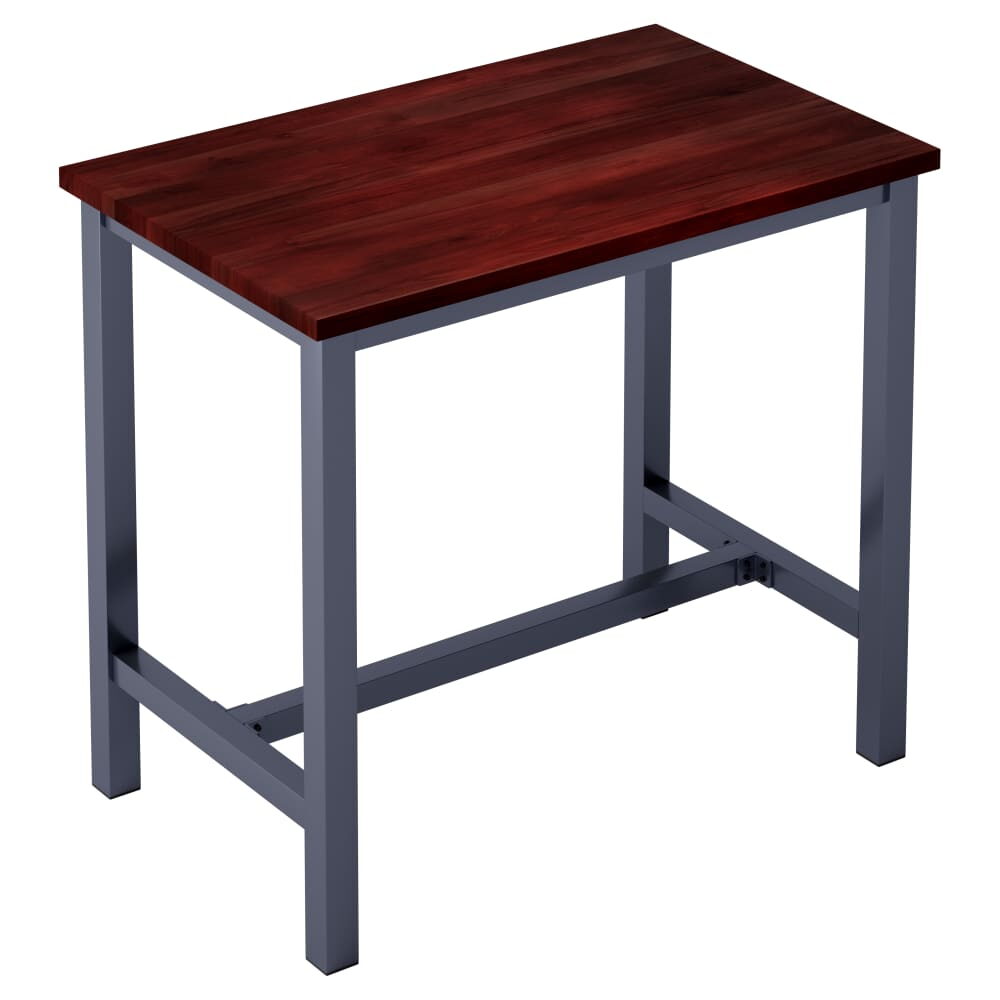
What does a quantity of one include? For the 4 listings sold as sets, it means the whole set, not a single table. 31 listings sit here, with wood, laminate and resin tops on cast iron, steel, wood or aluminum bases. Settle that question first, then pick a top shape for your floor.
Four listings are sold as sets. On those, a quantity of one is the full set described on the page, so read the contents before you multiply by the tables in your plan. The rest are sold as single listings.
Tables and chairs count toward the minimum order of 8 pieces, in any mix. Prices range from $86 to $515. All listings allow indoor placement; patio use appears on four of them.
Solid wood tops lead with 19 listings. Laminate and wood tops follow with 4 each, resin with 3 and werzalit with 1. Where a base is named, you get cast iron 14 times, steel 9 times, wood twice and aluminum once.
Shapes come as rectangular and square on 27 listings each, round on 21 and drop leaf on 4. A drop leaf is the one to look at if a slow Tuesday needs a smaller table than a busy Saturday does.
Size by the guests. A 24-inch square seats two, and 30 inches gives them room for plates. For four guests, step up to 36 inches square, or go round at 42. Height matters as much as width. Seats of 17 to 19 inches under a 29 or 30 inch table give knees 10 to 12 inches to work with.
Two listings to compare: a solid wood butcher block table and a laminate dining table. Same job, different surface, and each product page says what comes in the box.
Say a 560 square foot dining area planned at 14 square feet per seat, the roomy end of the counter-service range. That is 40 seats: ten tables for four, or twenty for two. Treat it as early planning only, since occupancy limits and local code come first.
If you would rather choose the top and base separately, start at table tops and then look at table bases. Window rows and laptop corners are covered in coffee shop tables. Counting sets as single tables is the easy mistake, so write the contents beside the quantity in your notes. Put the count into a cafe plan and the floor will tell you how many tables actually fit.
Related reading