
Materials & finishes
Materials and care for cafe chairs, tables and tops
Browse the finish references
Pick a finish, then see what comes in it.
Explore color and texture references from the current collection. Open a reference to see the products that list it.
Compare two color and texture references
Put two original swatch images side by side. Use the product links to check where each reference is offered. Similar names do not mean identical materials or matching dye lots.
Screen colors and textures are approximate. Confirm each finish and any physical sample arrangements before ordering.
References that use the same image under different finish names are omitted from this comparison. Confirm those finishes with us before choosing a color.
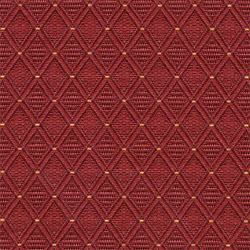
Selected reference
4-jewel burgundi
Listed on 4 products in this collection. Choose the matching finish on the product page. Other options can affect its availability and price. Product photos show example configurations.
Screen color and texture are references. Confirm the material and any physical sample arrangements before ordering.
Back to fabric →Products with this reference
Open a product to choose its options and quantity.


References are grouped by their option labels. A similar color name does not establish that two products use the same material. Choose and confirm each product configuration separately.
Material care, samples & ordering guide
Closing is a wipe-down, a sweep and a stack. The right materials keep it that way, and the wrong ones turn it into a project. This page covers what each material is, what it likes and what to keep away from it.
Reading a product page
Start with the labels. A chair page lists the frame material, the seat material, the usage (indoor, patio or both) and the dimensions, plus the weight where one is listed. A table top page lists the top material, the shapes, the sizes and the thickness. A base page names its material and height. Read the usage line first, because it decides whether a piece can go on the sidewalk.
Vinyl seats
Vinyl is the cafe default for good reason. It wipes clean after a spilled latte and comes in plenty of colors. Warm water and mild soap do the daily job. Rinse, then dry, so no film is left behind. Keep bleach, strong solvents and scouring pads away from it, because they dull the surface and dry it out until it cracks. Look along the seams and the front edge, where bodies slide on and off, for the first split.
Fabric seats
Fabric is kinder to the eye and the ear, and stricter about care. Vacuum it often, blot spills without rubbing, and clean only the way the fabric's cleaning code allows. If a fabric carries one, W means water-based cleaners, S means solvent-based, W/S means either, and X means vacuum only. Fabric belongs in the quiet corner more than by the door. Hold the swatch next to your wall color before you decide.
Wood frames and stain
A wood chair is joinery. The joints carry the weight, so tighten fasteners now and then and pull any chair that starts to rock. Keep wood indoors and out of puddles: end grain drinks moisture, and then joints swell and loosen. Stain gives the color and a clear topcoat gives the protection. Stain names such as Walnut or Natural differ from one product to the next, so match by swatch, never by name. A scuff can be touched up, but only once the spot is clean and dry.
Powder-coated steel
Many metal frames are steel, finished with powder coat: dry powder melted into a hard, even skin. Many list a choice of powder coat colors. Chips happen where chairs knock together and where feet meet the floor. Touch them up before moisture reaches bare steel, since steel rusts once its finish is breached. Wipe with mild detergent and a soft cloth, because abrasive pads leave scratches that hold water. See the metal chairs.
Wood-look metal
Some frames wear a wood-look finish instead, on aluminum or steel, and a few carry a bamboo look. You get the warm tone of a wooden chair on a metal frame, so there's no wood to swell. Wipe it like any metal finish, and read the usage line before one goes outside. See metal chairs with a wood look.
Chrome
Chrome is a bright metal plating over steel, and it brings a retro streak to an indoor shop. Dry it as soon as you wipe it, because water spots show quickly. Salt and chlorine cleaners pit the plating, so keep it away from the sidewalk.
Aluminum
Aluminum is light and doesn't rust, which is why it turns up on stacking chairs and sidewalk sets. It suits a shop that moves furniture twice a day. Use mild soap and water, then a wipe. Light pieces catch the wind, so bring them in or secure them on a gusty day. Aluminum chairs stack and slide easily.
Resin, synthetic teak and faux rattan
Resin is molded plastic. Pieces listed for patio use can be hosed down, and rain doesn't bother them. Synthetic teak is a plastic that looks like teak, with no oiling and no sanding, and the catalog calls it plastic teak on some seats. Faux rattan is woven synthetic strand, usually on an aluminum frame, and soapy water with a soft brush cleans it. The plastics don't swell and aluminum doesn't rust. All of them still want a rinse, a way for water to drain and a place to spend the off season. Browse resin patio chairs and plastic teak tables.
Laminate tops
Laminate is a printed, high-pressure surface bonded to a board core, and it's the cafe workhorse: one wipe, no sealing. Edges matter. A T-mold edge is a vinyl profile pressed into the rim that takes knocks and can be replaced, while a self edge uses the same laminate as the surface. Keep hot pans off it, and wipe up standing water at the seams before it reaches the core. Tops in the catalog run from 1/2 inch to 2 inches thick. See laminate table tops.
Tops of solid wood
Real wood keeps moving after it's finished: it swells when the air is damp and shrinks when it's dry. Hairline checks and small seam shifts are natural and fall outside the warranty. Keep tops away from heating vents and hot window glass, wipe spills at once, and refinish when water stops beading on the surface. Solid wood tops carry the shorter 6-month warranty, so read the product page for the period.
Stone and stainless steel
Granite is heavy, heat-tolerant and cool under the elbows. A heavy top needs a base built for the load, so check the weight on the product page. Natural stone should be sealed from time to time. Stainless steel wipes best along the grain with a soft cloth, and chlorine should be rinsed off it promptly.
Table bases
Cast iron bases are heavy on purpose, since the weight steadies a table when someone leans on its edge. Steel and aluminum bases are lighter to move, and chrome bases belong indoors. Size the base spread to the top; for a round, two thirds of the top's width is the floor. Rock each table once a week, and if the base has adjustable feet, set them when you install it.
Weight, stacking and moving
Product pages list weight where it's known, and stackable pieces say so. Light aluminum and resin chairs stack and slide easily at closing. A table with a cast iron base is heavy, which steadies it and slows you down if you sweep under every table each night. Think about who moves the furniture, and how often, before you choose.
Which cleaner for which surface
Mild soap, warm water, a soft cloth and a dry towel handle vinyl, laminate, powder coat, aluminum, resin and synthetic teak. Wood, stone and stainless steel each want the gentler or more specific treatment above. Test any new cleaner on a spot guests will never see, and never mix two cleaners in one bucket.
Glides and floors
Chairs scrape floors for a living. Some list their glide choices, including nylon, plastic adjustable, metal adjustable and front casters. Nylon and plastic are gentler on hard floors, and metal can mark them. Replace a worn glide the week you notice it, since a worn glide is a scratch in waiting.
A closing routine
- Every night: wipe seats and tops with a cleaner that suits the material, and dry vinyl and chrome
- Every week: rock each table and check for wobble
- Every month: tighten fasteners, look at glides and touch up chips
- Every season: reseal wood and stone tops, then rinse and cover or store patio pieces